The morning alarm isn’t a gentle chime; it’s the jarring clang of metal doors and the immediate eruption of dozens of voices crying out in unison. The air is thick with the sharp scent of disinfectant, barely masking the underlying odors of fear and uncertainty. This is morning in an animal shelter, and for the dogs living here, each day feels like an eternity.

Walk through any shelter and you’ll see them: the dog pressed against the back corner of her kennel, trembling at every footstep; the young pit bull spinning in endless circles, his energy having nowhere to go; the senior golden retriever who barely lifts his head when visitors approach, his eyes holding a sadness that seems to reach into your soul. These aren’t just dogs waiting for homes; they’re living, breathing beings experiencing profound psychological stress in ways that most of us never fully comprehend.
Behind those kennel bars lies a hidden crisis that affects millions of dogs every year. While we celebrate the joy of adoption and the beautiful transformations that follow, we rarely pause to understand the intense emotional journey these animals endure while waiting for their second chance. Their stress is real, it’s measurable, and it’s heartbreaking, but it’s also something we can better understand and help address.
The Science of Canine Stress in Shelters
When a dog enters a shelter, their body immediately begins responding to what scientists call “chronic stress.” Unlike the brief surge of adrenaline a dog might feel when startled by thunder, shelter stress is relentless, a constant state of high alert that floods their system with cortisol, the primary stress hormone. Imagine living in a state of permanent anxiety, where your heart never quite settles and sleep never truly comes.
This isn’t just emotional distress; it’s a full-body experience that affects every aspect of a dog’s health. Elevated cortisol levels suppress the immune system, making shelter dogs more susceptible to respiratory infections, skin conditions, and digestive issues. Their appetite disappears, their sleep patterns become erratic, and their ability to learn and form new memories becomes impaired. It’s as if their entire system is hijacked by survival mode.
Dogs are naturally pack animals, evolved to live in family groups with established routines and familiar territories. The shelter environment strips away everything that feels safe and natural to them. The constant noise, barking echoing off concrete walls, doors slamming, and unfamiliar voices create a sensory overload that would be overwhelming even for us. For a dog whose hearing is so much more sensitive than ours, it’s nothing short of torture.
Listen to 30 of shelter noise:
Perhaps most devastating is the unpredictability. Dogs thrive on routine, on knowing what comes next. In a shelter, nothing is certain except uncertainty itself. They don’t know why they’re there, when they might leave, or if the next person approaching their kennel will be kind or threatening. This constant state of not knowing triggers their fight-or-flight response repeatedly throughout each day, even though neither fighting nor fleeing is an option.
Behavioral Manifestations: Reading the Signs
Stress doesn’t speak with words, but it screams through behavior. Every dog handles the overwhelming shelter environment differently, and learning to read these signs helps us understand the depth of their suffering.
The Withdrawn Dog
The Withdrawn Dog has essentially given up hope. You’ll find her pressed against the back wall of her kennel, making herself as small as possible. She might not even lift her head when you approach, having learned that hope hurts too much when it’s repeatedly crushed. Her food bowl remains untouched, and she spends most of her day sleeping – not from contentment, but from emotional exhaustion. When volunteers try to leash her for a walk, she moves like a robot, mechanically following but showing no enthusiasm for the brief escape from her concrete cell.
The Anxious Performer
The Anxious Performer presents the opposite extreme. This dog bounces off the walls of his kennel, literally throwing himself against the door when anyone approaches. He barks incessantly, spins in circles, and performs what looks like a frantic dance of desperation. His behavior seems energetic, even happy, but look closer and you’ll see the wild look in his eyes, the way he can’t settle for even a moment. He’s not celebrating, he’s screaming for help in the only way he knows how.
The Aggressive Defender
The Aggressive Defender has learned that the world is dangerous and that she must protect herself at all costs. She guards her food bowl ferociously, growls when people approach too quickly, and may snap if someone reaches toward her. This isn’t meanness, it’s terror. She’s had everything taken from her before, and she’s determined not to let it happen again. Her aggression is actually a heartbreaking display of vulnerability, a desperate attempt to maintain some control in a situation where she has none.

The Depressed Soul
The Depressed Soul has simply stopped trying. He lies in his kennel with vacant eyes, unresponsive to treats, toys, or gentle words. He’s developed what psychologists call “learned helplessness”, the belief that nothing he does will change his situation, so why bother trying? These dogs often have the longest shelter stays because their lack of enthusiasm makes them less adoptable, creating a cruel cycle where their depression deepens with each passing day.
It’s important to understand that none of these behaviors represents the dog’s true personality. They’re coping mechanisms, survival strategies developed in response to an impossible situation. The bouncy, spinning dog might be naturally calm and gentle. The aggressive guarder might be incredibly sweet and trusting. The withdrawn dog might be playful and affectionate. Shelter stress creates a mask that hides who they really are.
The Invisible Wounds: Long-term Effects
While physical wounds heal with time and proper care, the invisible wounds of shelter stress can linger long after a dog finds a home. Dogs who spend months in shelters often develop what shelter workers call “kennel crazy”, repetitive behaviors like pacing, spinning, or excessive barking that continue even in loving homes. These aren’t habits they can simply switch off; they’re neurological patterns carved deep by chronic stress.
Trust becomes a fragile, complicated thing for many shelter survivors. They may flinch at sudden movements, panic when left alone, or struggle to bond with their new families. Some develop separation anxiety so severe that they destroy furniture or injure themselves trying to escape when their owners leave. Others become resource guarders, unable to believe that food and comfort will consistently be available.
The cruelest irony is that dogs who’ve been returned to shelters multiple times often suffer the deepest psychological wounds. Each return reinforces their belief that humans are unreliable, that homes are temporary, and that love doesn’t last. These dogs learn to protect their hearts by never fully opening them, creating a barrier that makes future adoptions even more challenging.
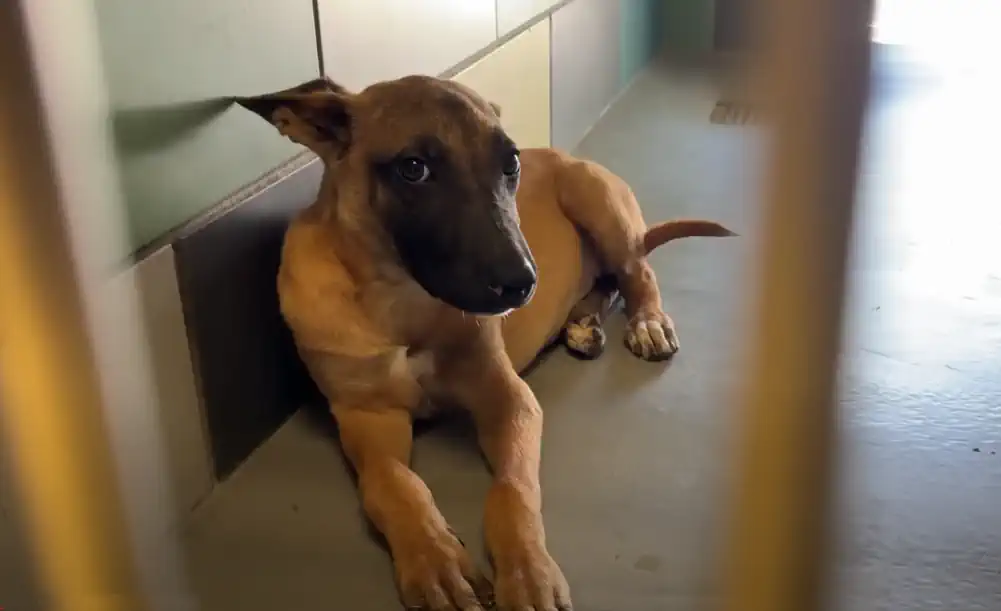
Their immune systems, weakened by chronic stress, leave them vulnerable to illnesses that healthy dogs would easily fight off. Kennel cough spreads rapidly through shelters not just because of close quarters, but because stress has compromised every dog’s natural defenses. Some develop stress-related digestive issues, skin conditions, or behavioral disorders that require months of patient rehabilitation.
Life Behind Bars: A Day in the Shelter
To truly understand shelter stress, we need to see the world through their eyes. Imagine waking up not to sunlight streaming through familiar windows, but to the harsh fluorescent lights flickering on overhead. The first sound isn’t your favorite human stirring beside you, it’s the symphony of anxiety that erupts when fifty other confused, frightened dogs realize another day has begun in this strange, loud place.
Breakfast arrives in a metal bowl slid through the kennel door by a stranger wearing rubber gloves. The food might be different from yesterday, or the volunteer might be new and nervous, approaching with hesitant movements that signal uncertainty. You haven’t eaten much lately anyway, your stomach churns constantly, and food holds little appeal when your world feels so unstable.
Throughout the morning, a parade of potential families walks by. Your heart leaps each time someone stops at your kennel. Maybe today? Maybe this is the person who will take you home? You press against the front of your kennel, tail wagging tentatively, eyes pleading. But they keep walking, drawn to the younger dog next door or the smaller one across the aisle. With each passing stranger, hope deflates a little more.
The afternoon brings a brief respite; a volunteer clips a leash to your collar and leads you outside. For twenty precious minutes, you remember what grass feels like under your paws, what fresh air smells like. But too soon, you’re back in your concrete box, the memory of freedom making confinement even harder to bear.
Evening arrives with dinner and the gradual dimming of lights. As the shelter grows quiet, the loneliness becomes overwhelming. This is when the crying starts, not just barking, but genuine whimpering and howling from dogs who don’t understand why they’re here or when it will end. You join the chorus sometimes, your voice adding to the collective song of confusion and longing that echoes through the halls until exhaustion finally brings restless sleep.
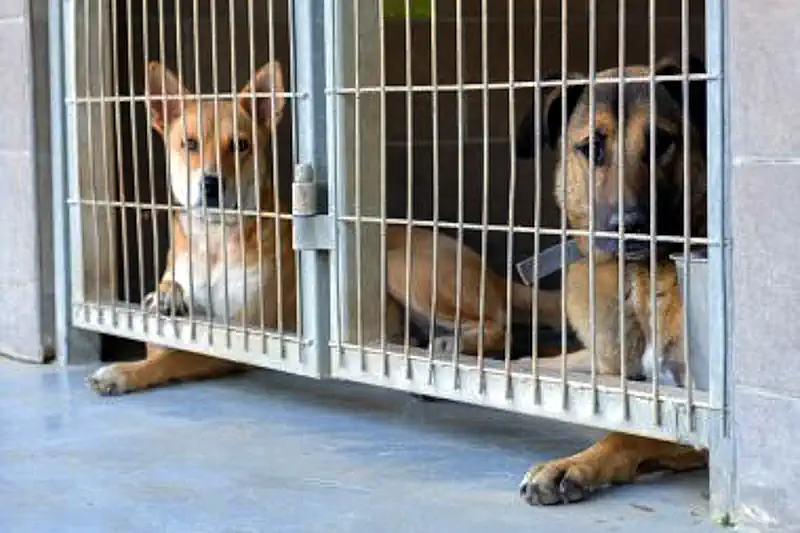
Why Some Dogs Struggle More Than Others
Not every dog experiences shelter stress with the same intensity. Puppies, with their natural resilience and adaptability, often bounce back more quickly, though they’re not immune to the psychological impact. Senior dogs, however, find the upheaval particularly devastating. After years of established routines and familiar faces, being thrust into shelter chaos can be especially disorienting and heartbreaking.
A dog’s previous life experiences play a crucial role in how they handle shelter stress. Former family pets who’ve known love and security often struggle more intensely with the sudden abandonment and institutional living than dogs who’ve lived as strays and are accustomed to uncertainty. Paradoxically, dogs who’ve been abused may initially seem to adapt better to shelter life simply because chaos and unpredictability feel familiar, though their trust issues run deeper.
Certain breeds face additional challenges. High-energy working breeds like border collies and German shepherds can become particularly distressed without adequate mental and physical stimulation. Sensitive breeds like greyhounds and some toy breeds may find the noise and commotion especially overwhelming. Meanwhile, dogs with separation anxiety or noise phobias arrive at shelters already compromised, making the environment exponentially more stressful.
Perhaps most heartbreaking is how the length of stay compounds stress. Dogs who are adopted within days or weeks often recover relatively quickly. But those who remain for months, whether due to breed prejudice, age, size, or behavioral issues caused by the stress itself, sink deeper into despair with each passing week.
The Ripple Effects Beyond the Kennel
Shelter stress doesn’t exist in isolation; it creates ripple effects that touch every aspect of the rescue community. Stressed dogs are harder to adopt because they don’t present well to potential families. They may appear aggressive, withdrawn, or hyperactive, masking their true personalities behind walls of anxiety and fear. This creates a cruel cycle where the dogs who need homes most desperately are the least likely to find them quickly.

Shelter workers and volunteers carry their own emotional burden, watching these transformations happen in reverse. They see dogs who arrived bright and hopeful gradually lose their spark. They witness the heartbreak of animals who’ve been passed over again and again, and they have to make agonizing decisions about which dogs can wait a little longer and which have suffered enough.
The stress is infectious, spreading from dog to dog through proximity and energy. A newly arrived dog may initially seem calm, but after days surrounded by the anxiety and desperation of long-term residents, they begin to mirror those same stressed behaviors. The environment itself becomes a breeding ground for the very issues that make dogs less adoptable.
Finding Light in the Darkness
Understanding shelter stress isn’t meant to discourage adoption or paint shelters as inherently harmful places. Instead, this knowledge helps us to be better advocates, more patient adopters, and more effective supporters of shelter animals. When we recognize that the trembling dog in kennel 12 isn’t naturally fearful but is responding normally to an abnormal situation, we can see past the stress to the loving companion waiting underneath.
Every dog living behind those kennel bars is fighting an invisible battle against despair. They’re not broken, they’re surviving. They’re not choosing to be difficult; they’re doing their best to cope with circumstances beyond their control. When we understand this, we can approach them with the compassion and patience they desperately need.
The most beautiful truth about shelter stress is that it’s temporary. With time, love, and understanding, even the most deeply affected dogs can learn to trust again, to play again, to hope again. They’re waiting behind those kennel bars not just for homes, but for humans who see past their stress to the magnificent spirits within. Every stressed shelter dog is simply one understanding family away from beginning their healing journey, a journey that transforms not just their lives, but the lives of the humans brave enough to love them through their recovery.

The next time you visit a shelter, remember: you’re not just looking at dogs, you’re looking at survivors. And sometimes, the most stressed, most overlooked survivor is exactly the one who will become your most devoted, grateful companion for life.